Does this sound like you?
Tick what fits. Your ticks travel with the pin.
What may be going on
Under the arch of the foot runs a thick, strong band of tissue. It starts at the front of the heel bone and fans out to the toes, and every step tightens it like a bowstring so the arch can hold your weight. While you sleep or sit, the band rests in a shortened position. The first steps load it suddenly, before it has had a chance to lengthen, which is why the sharpest moment is so often the first one of the day and why a few minutes of walking take the edge off. 1
Some clinicians call this pattern plantar fasciitis, a name that points at the band under the arch; other explanations exist for pain in the same place, and a physiotherapist can tell them apart in person. The pattern itself is one of the most common reasons an adult limps for the first minute of the morning.
A few things tend to sit behind it. A recent jump in walking, standing or running is the usual trigger: a new job on your feet, a holiday with long days of sightseeing, a training block that grew too quickly. A calf that will not let the ankle bend far pulls harder on the heel through the same chain. Hard floors, thin flat shoes and extra body weight each add load. None of these is a fault; they are simply more pull on a band that has not yet caught up. 1
The band is slow tissue. It adapts to load over weeks, not days, which is why the pattern can outlast the thing that started it, and why a sudden rest followed by a sudden return often brings it straight back. The approach that holds up best in the research is steady and a little boring: keep moving within what the heel tolerates, stretch the band and the calf, and then load the band slowly and heavily so it rebuilds its tolerance. A trial comparing slow, heavy heel raises with stretching alone found the loading group ahead at three months, with the two level by a year. 2 Tissue that is loaded steadily tends to settle; tissue that is rested and then overloaded tends not to. 3
Most people with this pattern improve over a few months. Soreness during a session, settling by the next morning, is a normal part of that. Pain that is worse the morning after, every time, is a sign to ease back a step.
Movements that may help
Check with your doctor or a physiotherapist before you try a movement that is new to you.
- StartEnd
Plantar fascia stretchA stretch along the sole, never a sharp pain. Plantar fascia stretch
Why it is hereBefore the first steps, a minute of pulling the toes back lets the band lengthen before it carries you. Many people keep this one by the bed.
HowSitting, cross the sore foot over the other knee. Pull the toes back towards the shin with one hand until you feel a stretch along the sole; hold 30 seconds. Do this 3 times, especially before the first steps in the morning and after sitting.
Watch forA stretch, not a pain; ease off if the arch cramps
- StartEnd
Calf stretch at the wallHeel down, foot straight ahead. Calf stretch at the wall
Why it is hereA tight calf pulls on the heel through the same chain. More bend at the ankle means less tug on the band with every step, and the second position with the knee bent reaches the deeper part of the calf.
HowHands on a wall, sore leg back with the heel down and the knee straight; lean in until the calf stretches, hold 30 seconds. Then bend the back knee slightly and hold again for the deeper calf. 3 rounds, twice a day.
Watch forKeep the heel on the floor and the foot pointing straight ahead
- StartEnd
Slow heel raises with a towel under the toesUp over three seconds, down over three. Slow heel raises with a towel under the toes
Why it is hereRising slowly onto the toes with them pulled up by a towel loads the band the way the loading trial did. Some heel soreness during and just after is expected; it should settle by the next morning.
HowStand on a step with a rolled towel under the toes so they are pulled back. Rise onto the toes over 3 seconds, hold 2, lower over 3. Start with 3 sets of 12; when 12 is easy, add weight in a backpack and drop to 8 to 10 repetitions. Every other day.
Watch forSome heel soreness during and after is expected; it should settle by the next morning
When to see someone instead
Voodoo is advisory, never a diagnosis. See someone in person today if any of these is true:
- a recent injury you cannot put weight on, or a limb that looks out of shape
- fever or feeling unwell along with the pain
- a joint that is hot, red and swollen
- new trouble with bladder or bowel, or numbness around the seat
- weakness in both legs, or weakness that is getting worse
- chest pressure, or pain spreading into the left arm
- unexplained weight loss, or pain that wakes you at night
- heel pain that began with a fall, a jump or a pop, and you cannot put weight on the foot
- numbness, tingling or burning spreading into the sole or the toes
- pain in both heels at once, with morning stiffness in other joints
- a heel that is warm and swollen without a clear cause
Try it on your own body
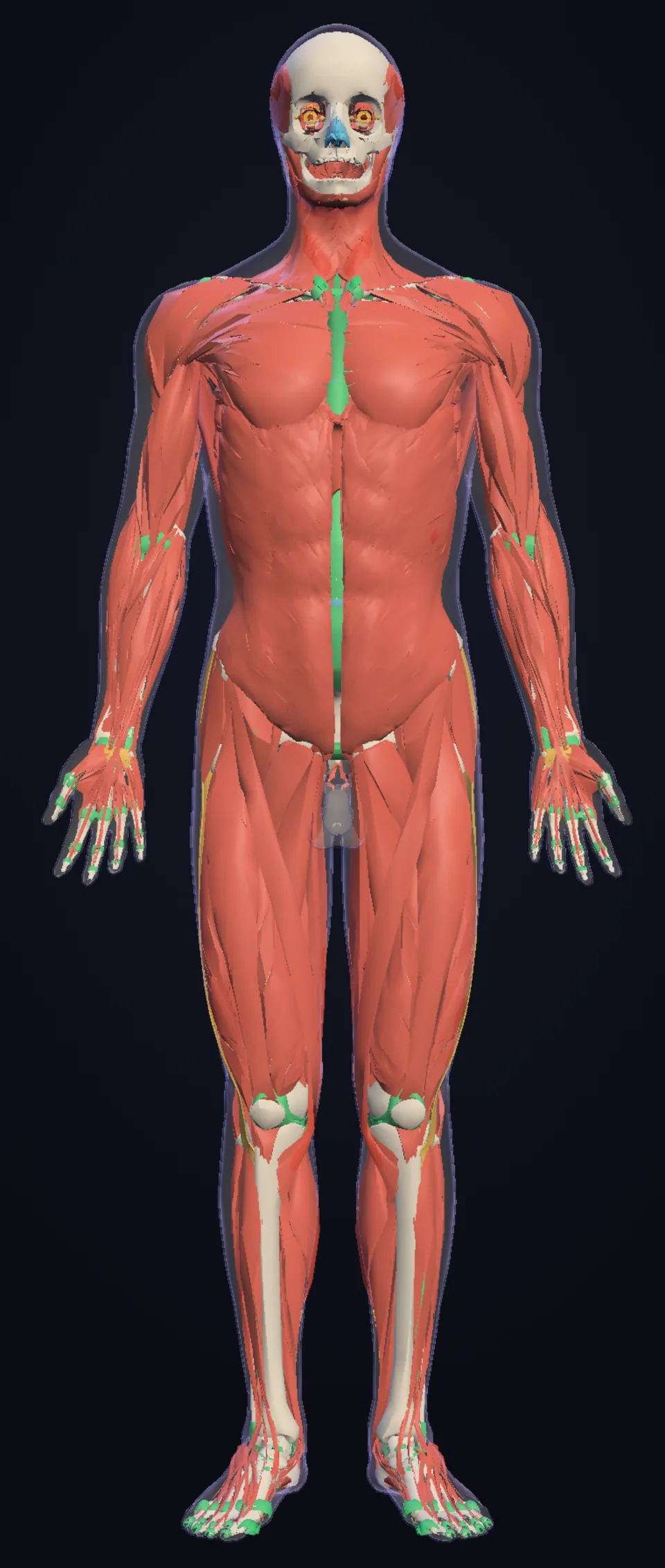
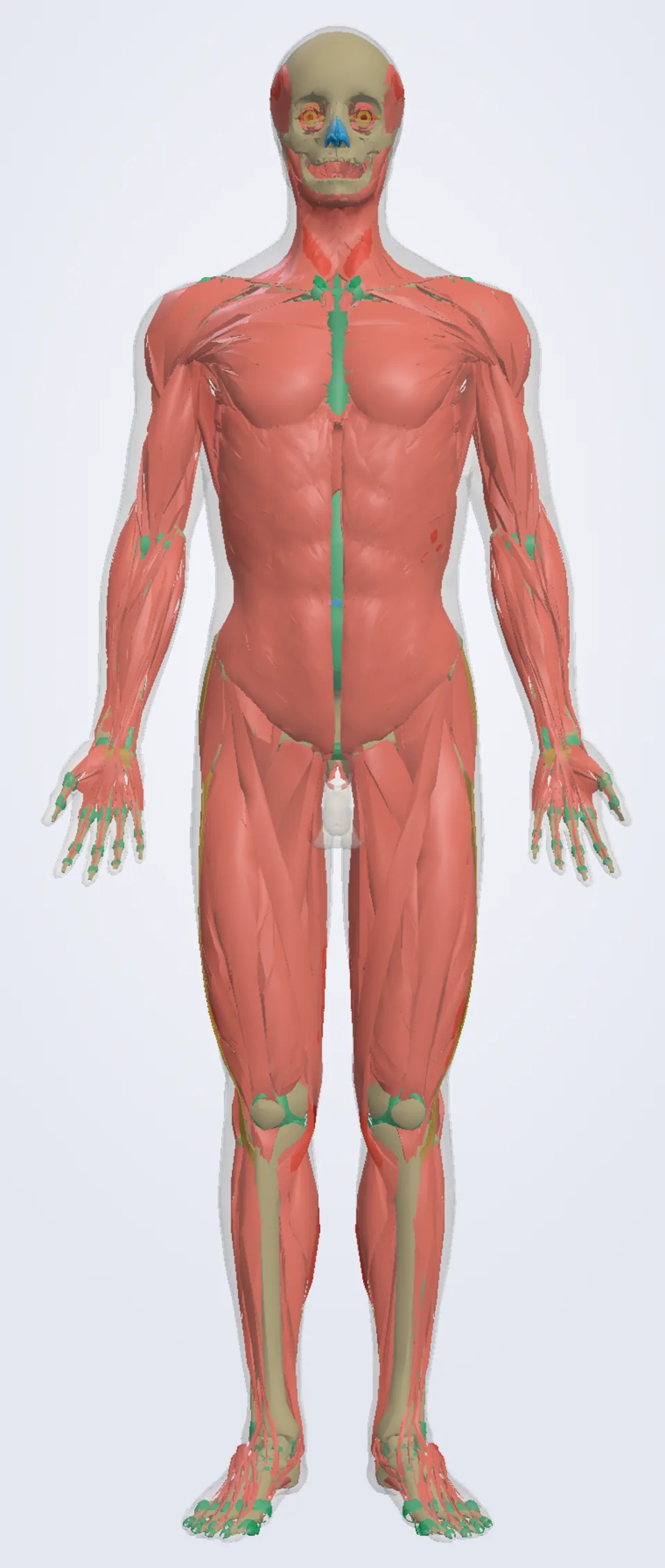
Put a pin where the heel hurts most. Voodoo shows the band under the arch and the calf it connects to, and suggests what to try first.
Nothing ticked yet: the pin starts blank.
Pin it on your bodySources
- Heel Pain—Plantar Fasciitis: Revision 2014. Clinical Practice Guidelines. Journal of Orthopaedic & Sports Physical Therapy (Martin RL et al.), 2014.
- High-load strength training improves outcome in patients with plantar fasciitis: a randomized controlled trial with 12-month follow-up. Scandinavian Journal of Medicine & Science in Sports (Rathleff MS et al.), 2015.
- Is tendon pathology a continuum? A pathology model to explain the clinical presentation of load-induced tendinopathy. British Journal of Sports Medicine (Cook JL, Purdam CR), 2009.
Read next
Updated 6 October 2026