Does this sound like you?
Tick what fits. Your ticks travel with the pin.
What may be going on
The knee is a hinge that sits between two long levers, and it goes where the hip and the foot send it. When the muscles on the outside of the hip are slow to switch on or tire early, the thigh drifts inward each time you land on one leg: coming down a step, cutting around a corner, the middle of a run. The knee follows the thigh, and the structures on its outer side are asked to brace against that drift again and again. 2
On the outside of the thigh runs a long, flat strap from the hip to just below the knee. It is a stabiliser, not a muscle, and it slides over the outer edge of the knee as the knee bends and straightens. With enough repetitions of the inward drift, the tissue around that edge becomes sore and tender to press. Some clinicians describe pain at this spot as iliotibial band syndrome; others point to the outer edge of the kneecap, and a physiotherapist can sort out which in person. 4 Either way, the knee is usually where the complaint lands rather than where it starts.
That is why the hip is the first place to look. A simple check many people recognise: stand on the sore leg in front of a mirror and watch the pelvis. If the other side drops, or the knee drifts in towards the big toe, the outer hip is not holding the pelvis level, and the knee is paying for it. The clinical guideline for pain around the kneecap puts hip strengthening alongside thigh strengthening for exactly this reason. 1 Side-lying leg lifts and clamshells are the classic ways to test and train that outer hip, and they are gentle enough to begin on a sore week. 3
Stairs deserve a word of their own. Going up, the thigh does most of the work and the knee bends under control. Going down, the knee has to lower your whole body weight slowly while bent, which is the hardest thing you ask of it all day. Pain on the way down with none on the way up is a common clue that control, rather than the joint itself, is the weak link, and control is something you can train.
Over a few weeks, the usual pattern is for the hip work to make the one-leg stand steadier first, and for the knee to quieten after that. Keep the runs or hikes shorter than the distance that sets it off while this happens, then build back up.
Movements that may help
Check with your doctor or a physiotherapist before you try a movement that is new to you.
- StartEnd
Side-lying hip abductionLift from the hip, toes forward, not back. Side-lying hip abduction
Why it is hereThe plainest way to wake the outer hip. The foot stays facing forward so the lift comes from the side of the hip rather than the front of the thigh.
HowLie on the side with hips stacked and the bottom knee bent. Lift the top leg 30 centimetres with the foot facing forward, hold 2 seconds, lower over 3. 3 sets of 12 each side, every other day.
Watch forStop if the outer hip pinches; do not let the pelvis roll back
- StartEnd
ClamshellFeet stay together; the pelvis stays still. Clamshell
Why it is hereTrains the hip to turn the thigh outward, which is the opposite of the inward drift that loads the outer knee. The pelvis stays still; only the knee opens.
HowLie on the side with knees bent and feet together. Open the top knee like a clam without rolling the pelvis, hold 2 seconds, close slowly. 3 sets of 15 each side, daily.
Watch forThe movement comes from the hip, not the back
- StartEnd
Slow step-downsKnee over the middle toes; lower slowly. Slow step-downs
Why it is hereThe movement that hurts, done slowly and small enough not to. Lowering under control with the knee over the middle toes teaches the hip and the knee to work together on the way down.
HowStand on a low step on the sore leg; lower the other heel towards the floor over 3 seconds, tap, and return. The knee stays over the second toe and the pelvis level. 3 sets of 8 to 10, every other day.
Watch forStop the set if the knee starts drifting inward or the kneecap aches sharply
- StartEnd
Single-leg balanceStand tall; let the hips stay level. Single-leg balance
Why it is hereA steady one-leg stand is the goal the other three movements serve. Near a counter, a few rounds a day, with the pelvis level and the knee over the second toe.
HowStand on one leg near a counter, 30 seconds, keeping the arch lifted and the knee over the second toe. 3 rounds each side, daily.
Watch forHave something to hold within reach
When to see someone instead
Voodoo is advisory, never a diagnosis. See someone in person today if any of these is true:
- a recent injury you cannot put weight on, or a limb that looks out of shape
- fever or feeling unwell along with the pain
- a joint that is hot, red and swollen
- new trouble with bladder or bowel, or numbness around the seat
- weakness in both legs, or weakness that is getting worse
- chest pressure, or pain spreading into the left arm
- unexplained weight loss, or pain that wakes you at night
- the knee locks, catches, or gives way underneath you
- swelling inside the knee that came on within hours of a twist or a fall
- the pain began with a pop you heard or felt
- pain on the outer knee in someone under twenty with a bony lump that is tender to press
Try it on your own body
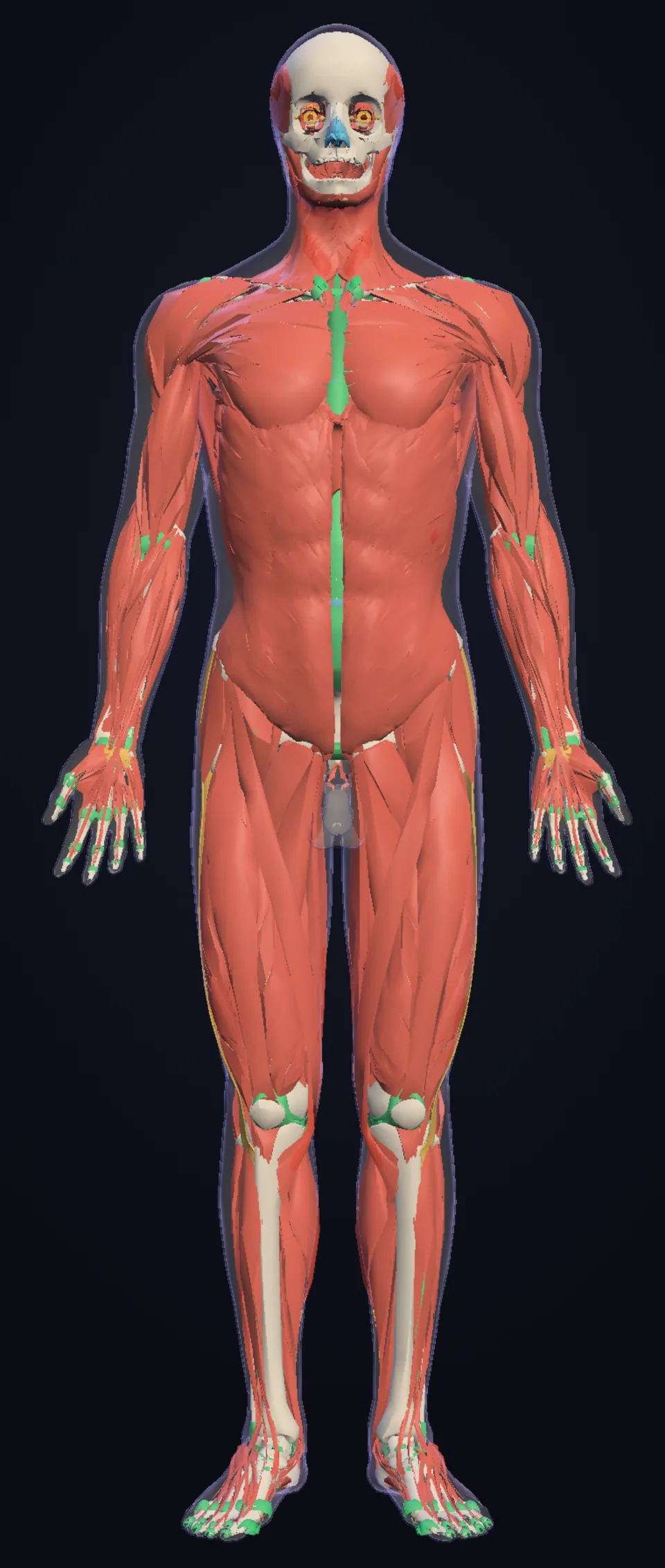
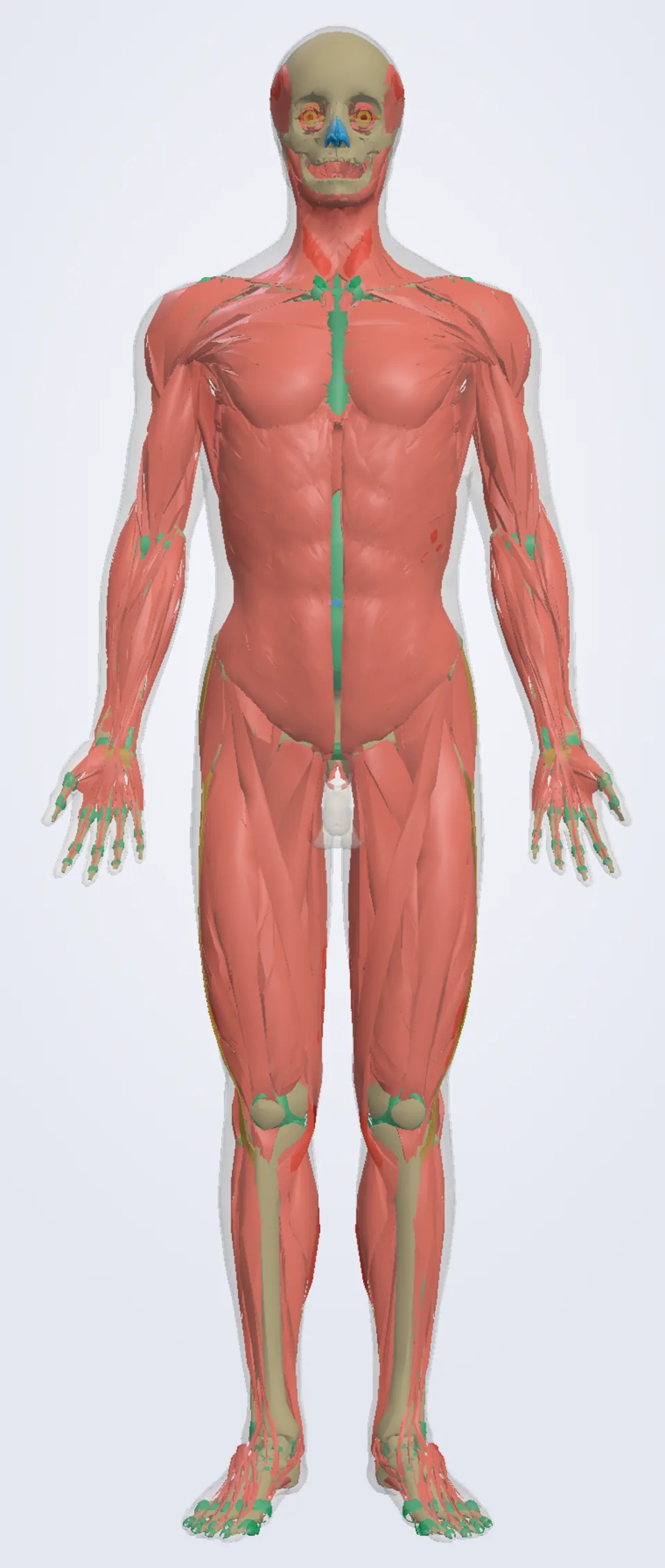
Put a pin on the outer knee where it hurts, and a second one on the hip if it tires. Voodoo shows the strap that joins them and suggests where to start.
Nothing ticked yet: the pin starts blank.
Pin it on your bodySources
- Patellofemoral Pain: Clinical Practice Guidelines. Journal of Orthopaedic & Sports Physical Therapy (Willy RW et al.), 2019.
- The Influence of Abnormal Hip Mechanics on Knee Injury: A Biomechanical Perspective. Journal of Orthopaedic & Sports Physical Therapy (Powers CM), 2010.
- Muscles: Testing and Function with Posture and Pain, 5th edition. Lippincott Williams & Wilkins (Kendall FP et al.), 2005.
- Brukner & Khan's Clinical Sports Medicine, 5th edition. McGraw-Hill (Brukner P, Khan K), 2017.
Read next
Updated 10 October 2026